
Ordering Number: 25811
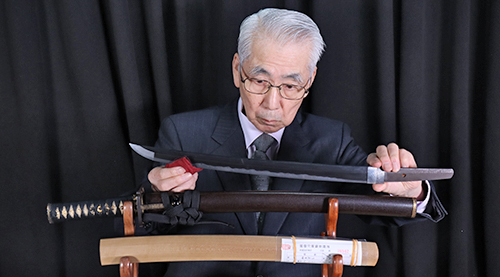
Wakizashi in Shirasaya with Koshirae (NBTHK Tokubetsu Hozon Token)
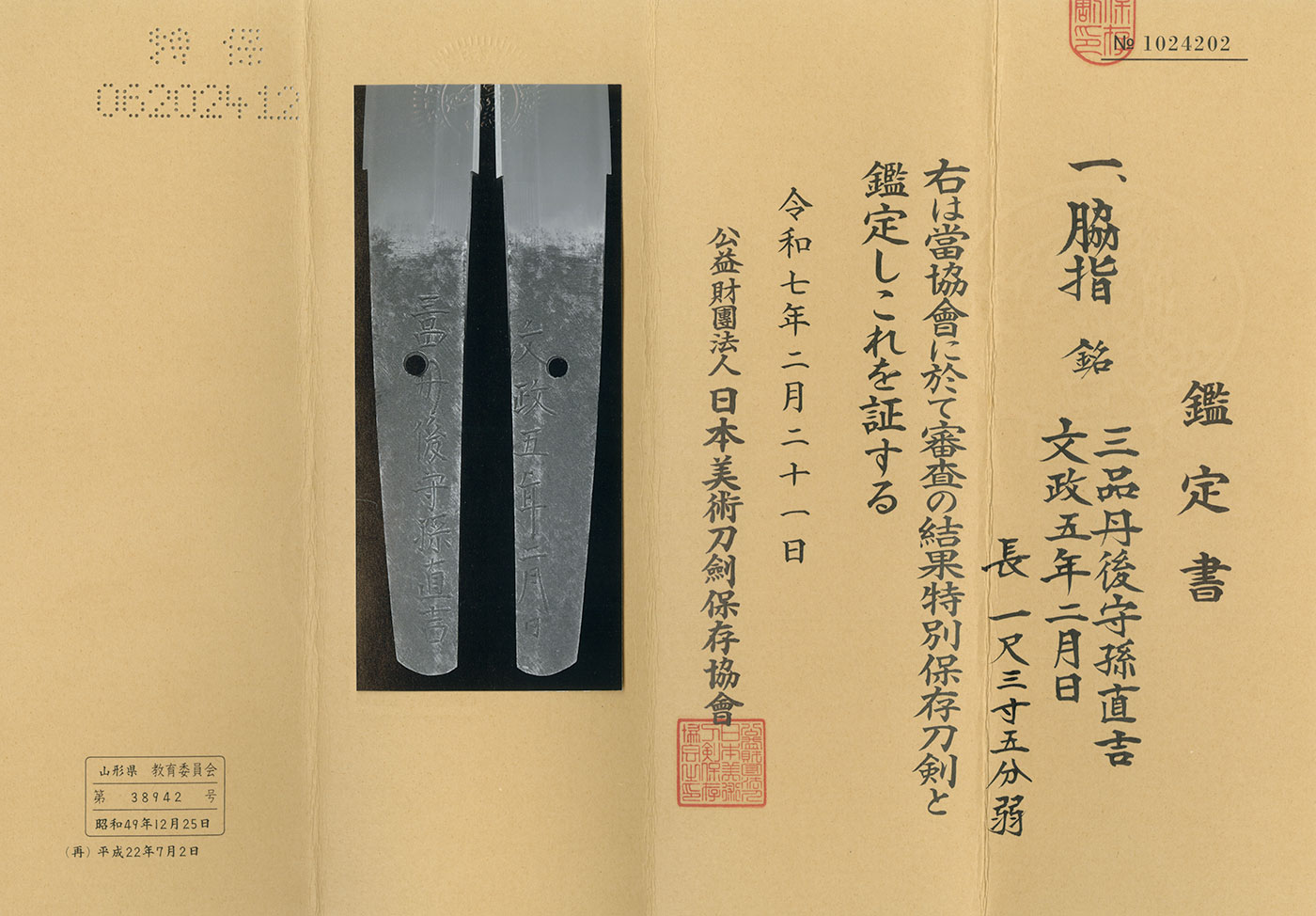
Signature: Mishina Tango Kami Mago Naoyoshi
A day in February, 1822
三品丹後守孫直吉
文政五年二月日
(We divide 4 sections for each sword as Saijyo Saku, Jyojyo Saku, Jyo Saku and Regular Saku).
The workmanship of this piece is ranked as Jyojo Saku for Mishina Tango no Kami Mago Naoyoshi.
Habaki: Silver-covered single Habaki
Blade Length: 40.8 cm (16.06 in).
Curvature: 0.8 cm (0.31 in).
Mekugi Hole: 1.
Width at Base (Motohaba): 2.98 cm (1.17 in).
Width at Yokote: 2.24 cm (0.88 in).
Thickness of rim (Kasane): 0.69 cm (0.27 in).
Sword Weight: 425 g.
Era: Edo period, Bunsei era (1818–1830).
Shape: Shallow curvature with a solid construction.
Jigane: Fine ko-itame well packed, forming a refined steel.
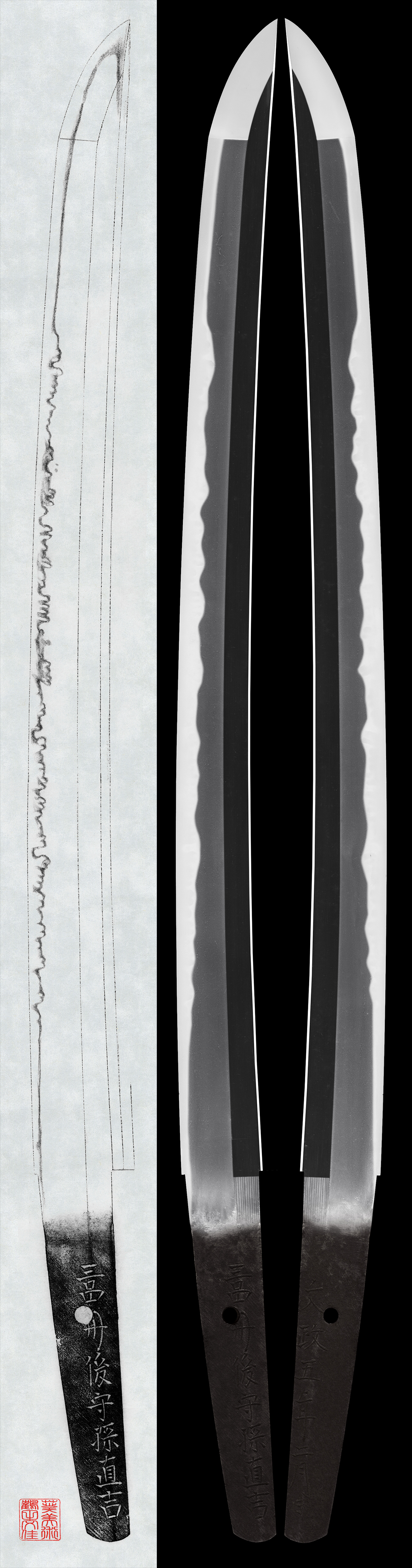
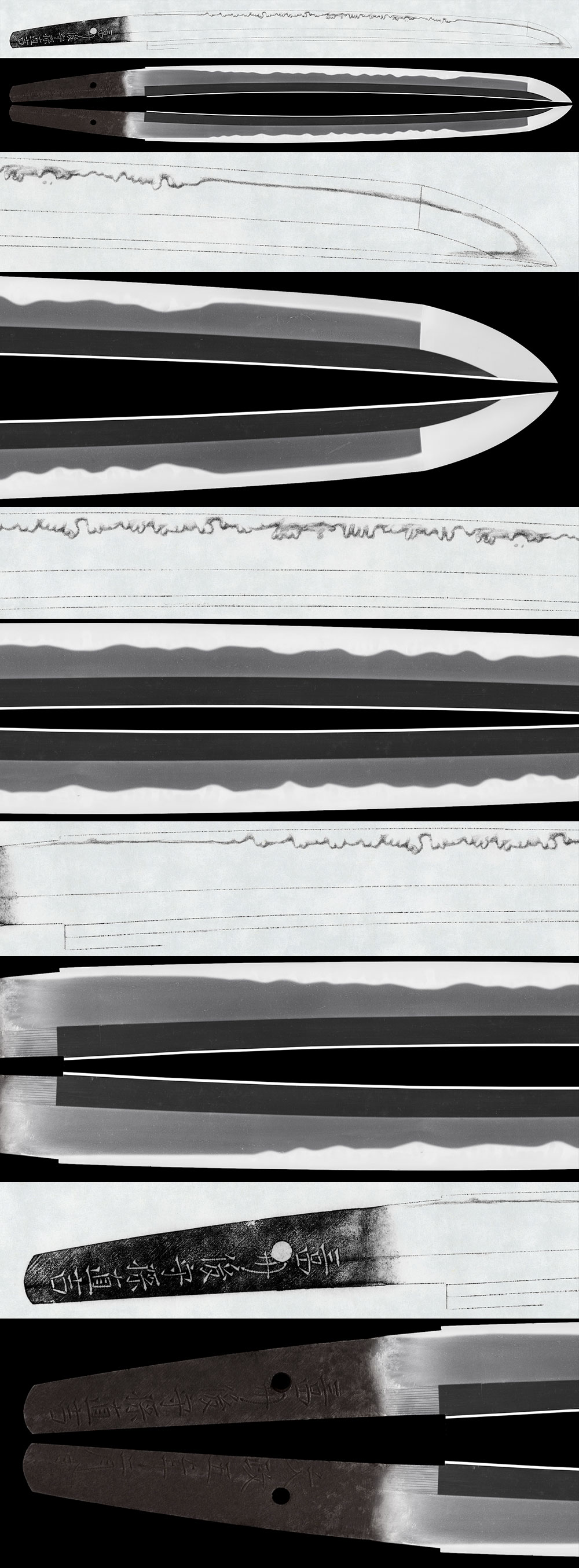
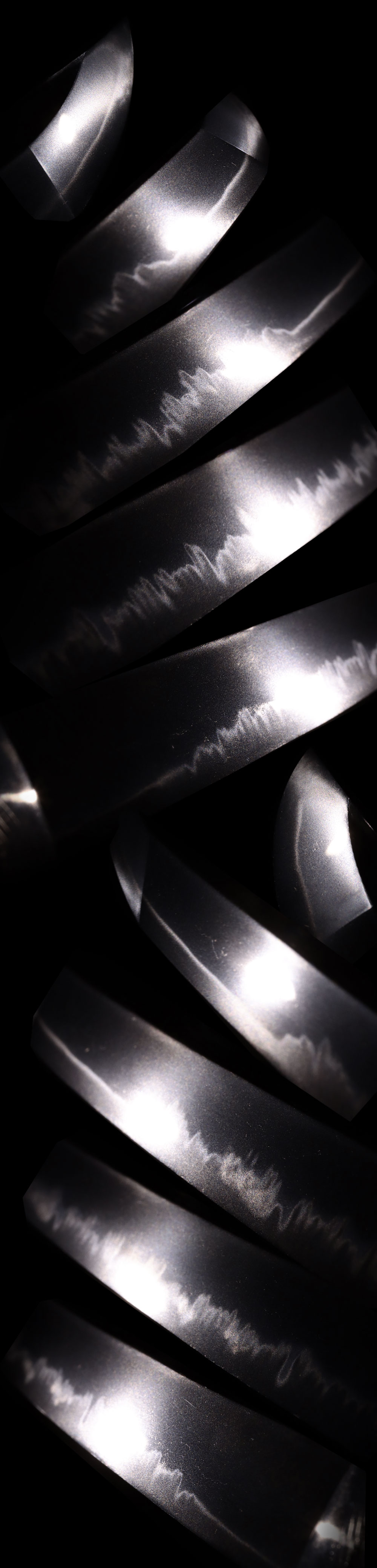
Hamon: Nioi-deki, small gunome-midare.
Around the monouchi it becomes suguha, and the boshi is slightly pointed and returns in a rounded manner.
Features: Mishina Tango no Kami Mago Naoyoshi was the grandson of Mishina Tango no Kami and is thought to have studied swordsmithing extensively.
Accordingly, the workmanship is excellent, and it has passed NBTHK Tokubetsu Hozon.
The koshirae is also of high quality.
Although the iron tsuba has not been submitted for appraisal, it appears to be in the Yagyu style.
Linear features can be seen on the iron surface, showing characteristics typical of Yagyu work.
Koshirae:
Tsuba: Square iron tsuba with carved strong linear designs and horizontal chisel marks.
It appears to be Yagyu-style at first glance.
Fuchikashira: Shakudo nanako ground with high-relief floral design and gold inlay.
Saya (Scabbard): Dark brown ishimeji lacquer.
Menuki: Shakudo ground with chrysanthemum and grasshopper in high relief, finished with gold inlay.
Kozuka: Shakudo nanako ground with autumn grasses and insects in high relief, finished with gold inlay.
Kogatana included.
Umabari: Iron ground with arabesque patterns in gold inlay.
Kojiri: Iron ground with gold decorative design.
Historical Background: In August 1822, the Seba uprising occurred in Shinano Province.
In 1823, the German physician Siebold arrived in Japan as a member of the Dutch trading post.
In 1825, the Edo shogunate issued the Edict to Repel Foreign Vessels.
The Seba uprising was a peasant revolt that occurred in 1822 in the Takato domain of Shinano Province.
NBTHK Tokubetsu Hozon Token.
AoiArt estimation paper: Whole Oshigata.
Please note: the price does not include the shipping fees.
Price:550,000JPY
Order Form



Related Items:
 Wakizashi:Dewa Daijo Fujiwara Kunimichi(NBTHK Tokubetsu Hozon Token)
 Wakizashi : (Orikaeshi-mei) Yoshimitsu (Province unknown, late Muromachi period).(NBTHK Hozon Token)
 Wakizashi: Dewa Daijo Kunimichi (NBTHK Tokubetsu Hozon Token)
 Wakizashi: Mumei(Unsigned)(Osafune Chikakage).(NBTHK Tokubetsu Hozon Token)
 Wakizashi:Yamato Kami Yoshimichi (1st Generation) (NBTHK Tokubetsu Hozon Token)
 Wakizashi :Hida no Kami Ujifusa(NBTHK Hozon Token)