
Ordering Number: 25609
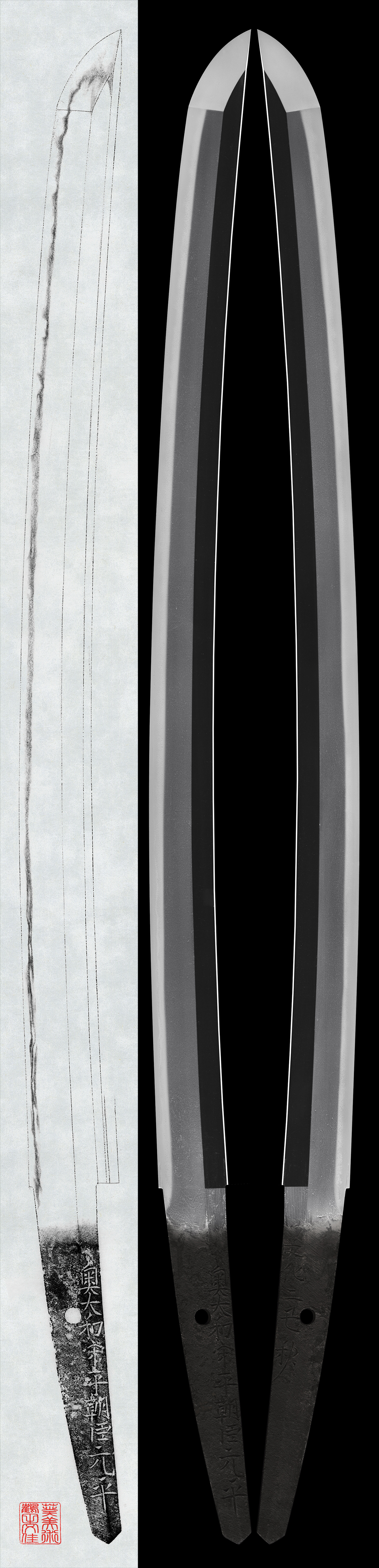
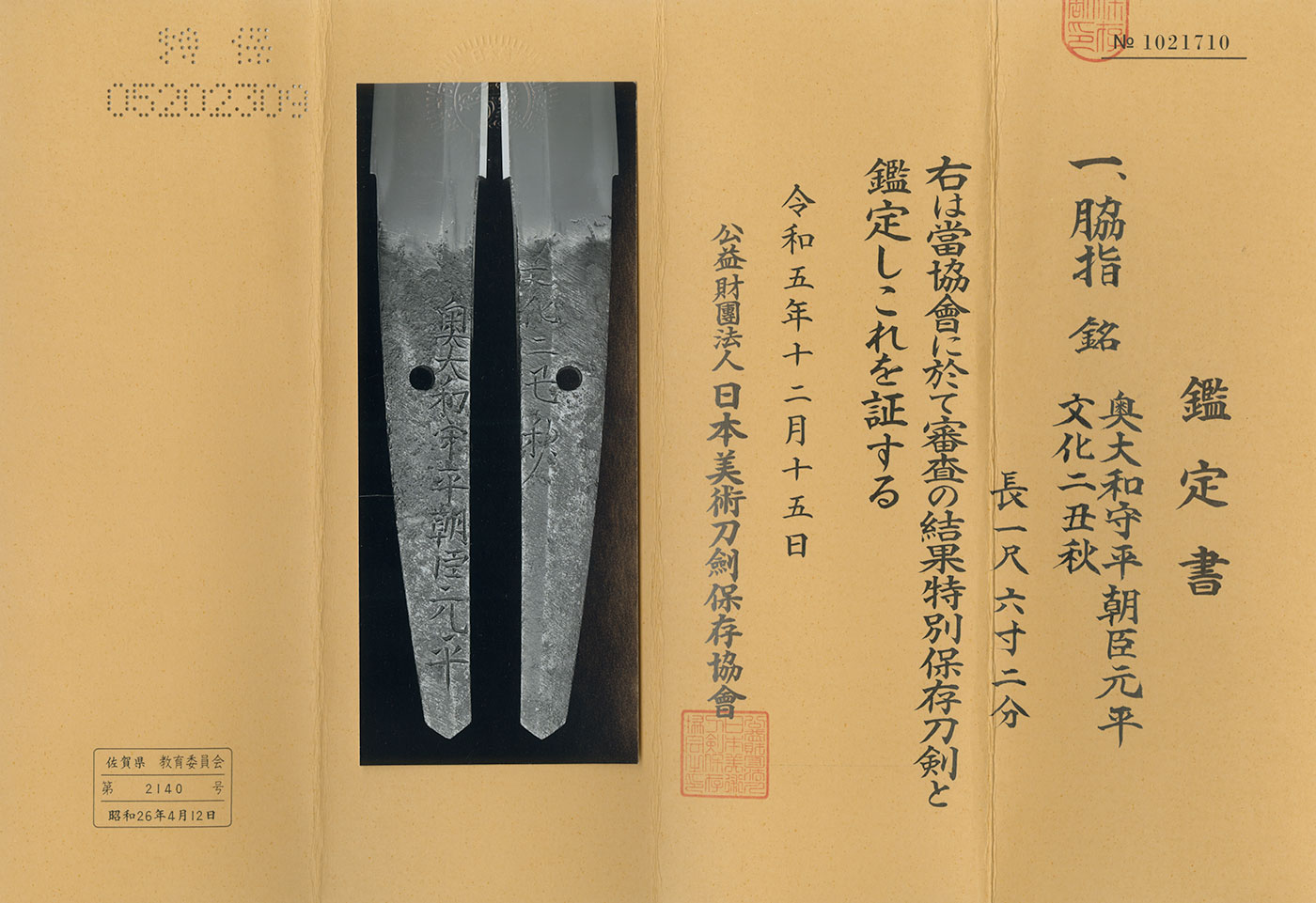
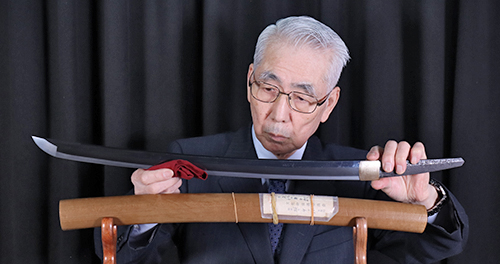
Wakizashi in Shirasaya (NBTHK Tokubetsu Hozon Token)
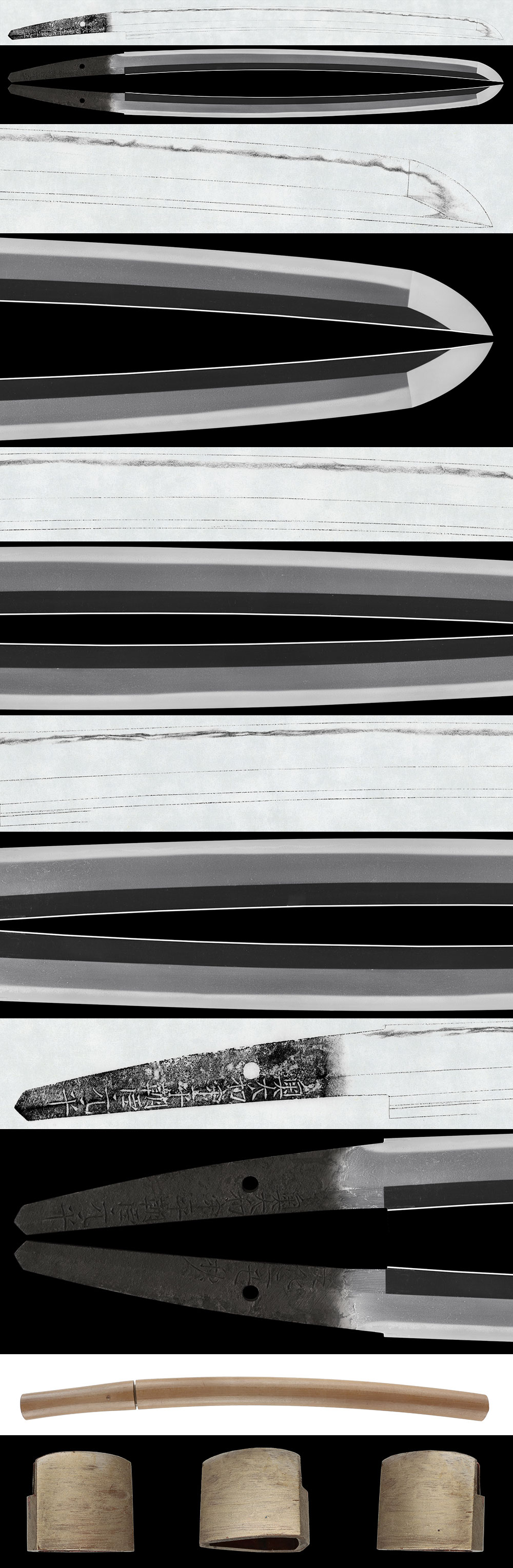
Signature: Oku Yamato Kami Taira Ason Motohira
Bunka 2 (1805)
奥大和守平朝臣元平
文化二年乙辰
Shinto – Jyojyo Saku – Satsuma
We divide 4 sections for each sword as Saijyo Saku, Jyojyo Saku, Jyo Saku and Regular Saku.
This piece is ranked as Jyojyo Saku among the works of Oku Yamato no Kami Taira Ason Motohira.
Habaki: Single-layered plain copper with decorative coloring.
Blade Length: 1 shaku 6 sun 3 bu 0 rin (approx. 49.4 cm / 19.45 in)
Curvature: 3 bu 5 rin (approx. 1.06 cm / 0.42 in)
Mekugi Hole: 1
Width at Base (Motohaba): 3.05 cm (1.20 in)
Width at Tip: 2.44 cm (0.96 in)
Thickness of Rim (Kasane): 0.83 cm (0.33 in)
Sword Weight: 700 g
Era: Late Edo period, around Bunka era.
Shape: A solid wakizashi with mitsumune (triple ridge), wide body, thick kasane, and an extended kissaki.
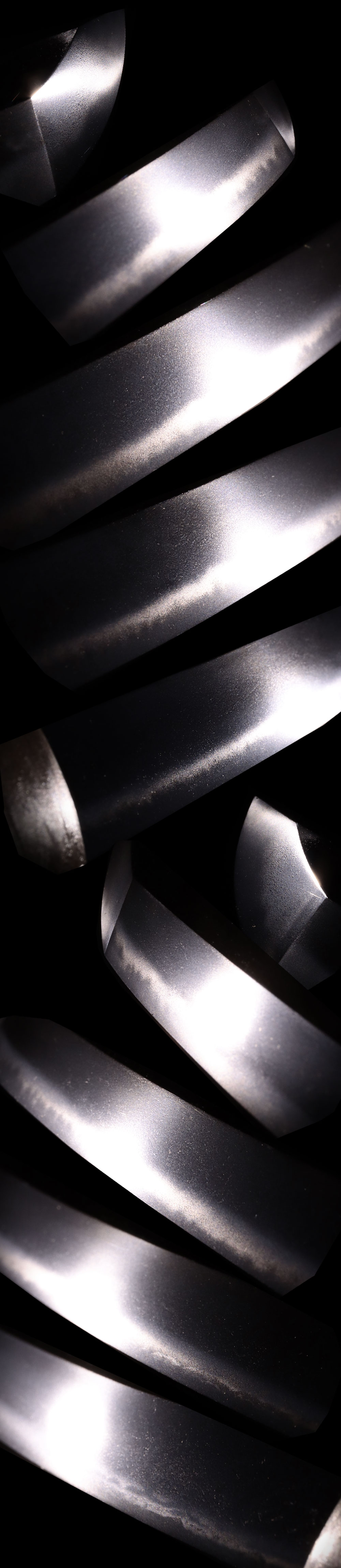
Jigane: Fine ko-itame hada, tightly forged, resulting in high-quality steel.
Hamon: Suguha in nie-deki with deep, bright nioiguchi and active ashi.
The boshi is rounded and returns cleanly.
A faint double hamon can also be seen, adding to its charm.
Features: Motohira was the son of Motonao from Satsuma and commonly known as "Kozaemon."
He was granted the title "Yamato no Kami" in Kansei 1 (1789), and passed away at the age of 83 on July 15, Bunsei 9 (1826).
Motohira is known for his bold and powerful style, often featuring deep nioiguchi in gunome-midare.
He disliked the proliferation of fake signatures and used a kakushi-tagane (hidden chisel mark) to prove authenticity.
Because many well-made forgeries exist, the following traits are crucial for judgment:
Important Notes on Motohira:There is a kakushi-yasuri (hidden file mark) on the back of the tang near the tip, appearing as a single groove.
Also, a vertical groove runs slightly off-center along the front of the tang.
If this vertical line runs perfectly centered, the signature is likely fake.
This is a critical point for verifying authenticity.
Aoi Art’s Comment: The deeply nioiguchi-style hamon evokes the work of Shinshinto smith Shinkai.
With mitsumune and thick kasane, this is a finely crafted piece.
Historical Background: A Shinto blade by Motohira of Satsuma, active from early to late Edo period.
Genuine work verified by Aoi Art.
Includes whole oshigata by Kazushige Tsuruta.
NBTHK Tokubetsu Hozon Token
Aoi Art estimation paper: Whole Oshigata
Price:650,000JPY
Order Form


Related Items:
 Wakizashi:Oku Yamato no Kami Taira Ason Motohira Kansei 12 Nen Saru Aki (Autumn 1800)(NBTHK Tokubetsu Hozon Token)
 Wakizashi:Bungo no Kami Minamoto Masayasu(NBTHK Tokubetsu Hozon Token)
 Wakizashi:Tsuda Omi no Kami Sukemnao(NBTHK Tokubetsu Hozon Token)
 Wakizashi:: Chikuzen Daijo Fujiwara NaoTane (Kao) (Engraved with “Oshiteru”) Date: February, Koka 4 (1847) (NBTHK Tokubetsu Hozon Token)
 Wakizashi:Mumei (Unsigned)(attributed to Yamashiro no Kami Kunikane)(NBTHK Hozon Token)
 Wakizashi:Mumei (Attributed to Tegai Kanetoshi)(NBTHK Tokubetsu Hozon Token)