
Ordering number:AS25413
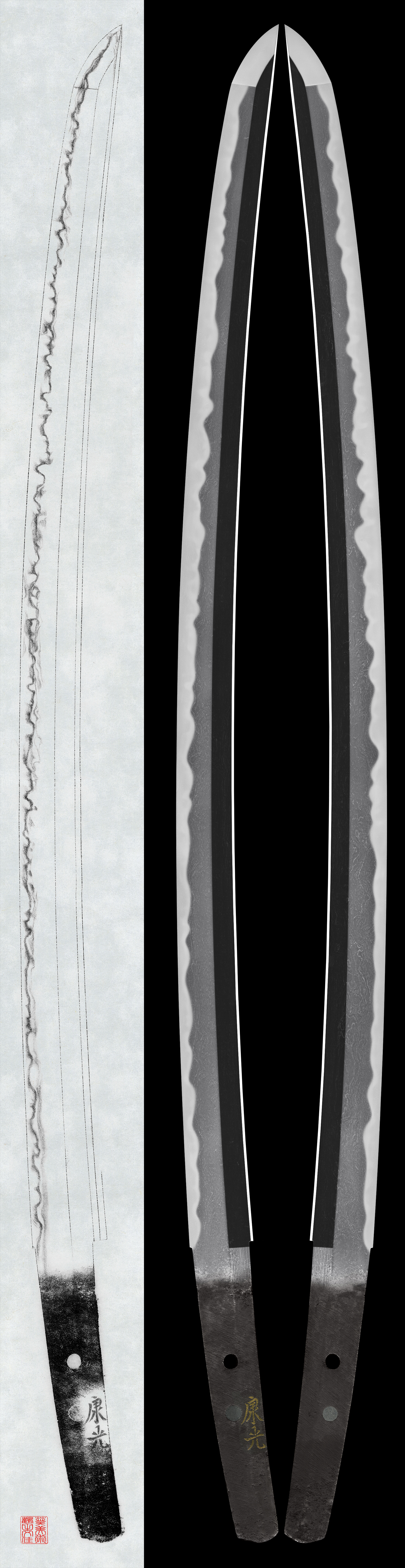
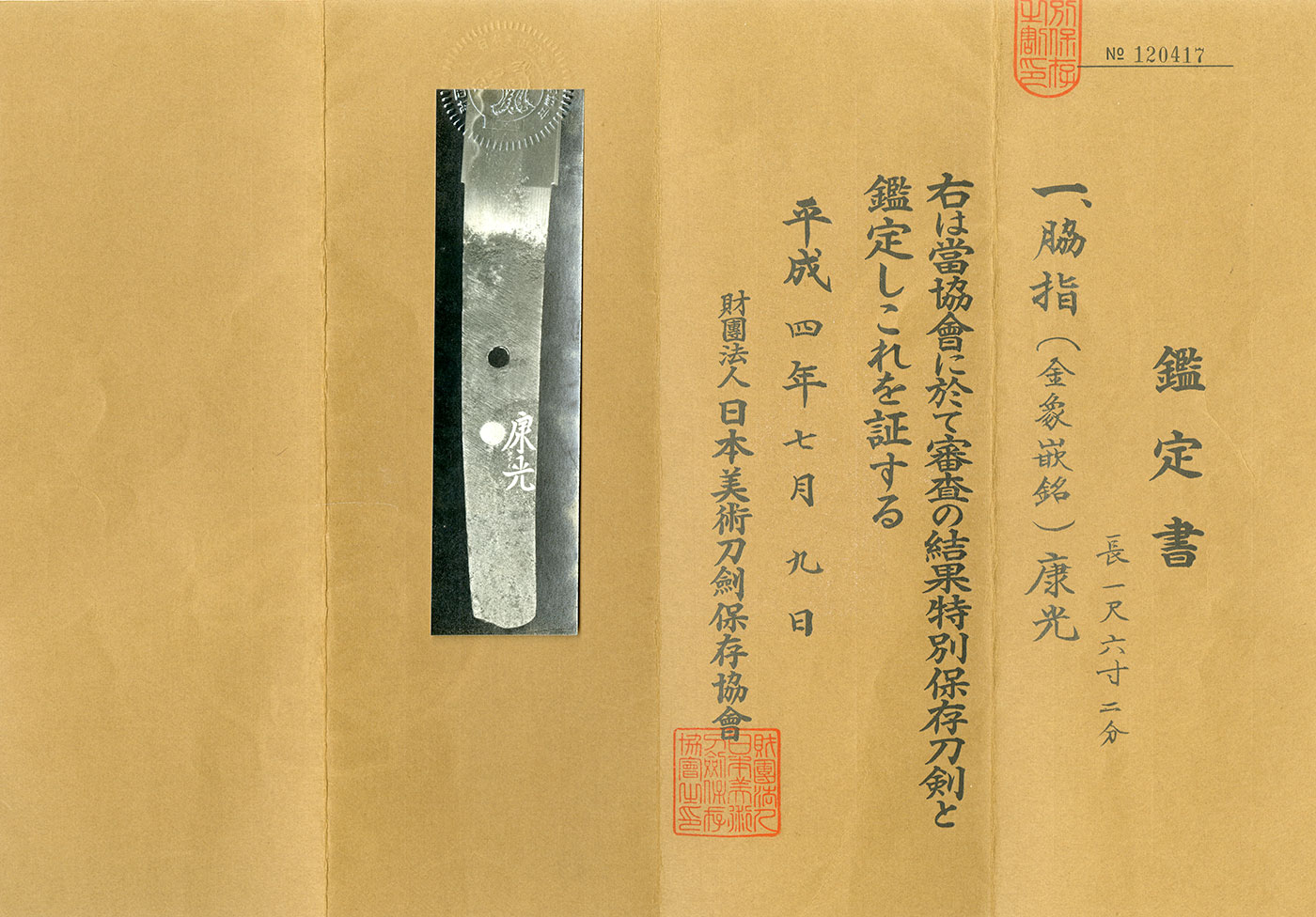
Wakizashi: Shirasaya with Koshirae (NBTHK Tokubetsu Hozon Token)
Signature: (Kin-zogan) Yasumitsu
(金象嵌)康光
Chuko-to: O-Wazamono: Jyo Saku: Bizen
We divide 4 sections for each sword as Saijyo Saku, Jyojyo Saku, Jyo Saku and Regular Saku.
This piece is ranked as Jyojyo Saku among the works of (Kin-zogan) Yasumitsu.
Habaki: Single-layered habaki with gold plating
Blade Length: 49.3 cm (19.41 in)
Curvature: 1.3 cm (0.51 in)
Mekugi Hole: 2
Width at Base (Motohaba): 2.57 cm (1.01 in)
Width at Tip: 1.67 cm (0.66 in)
Thickness: 0.48 cm (0.19 in)
Sword Weight: 330 grams
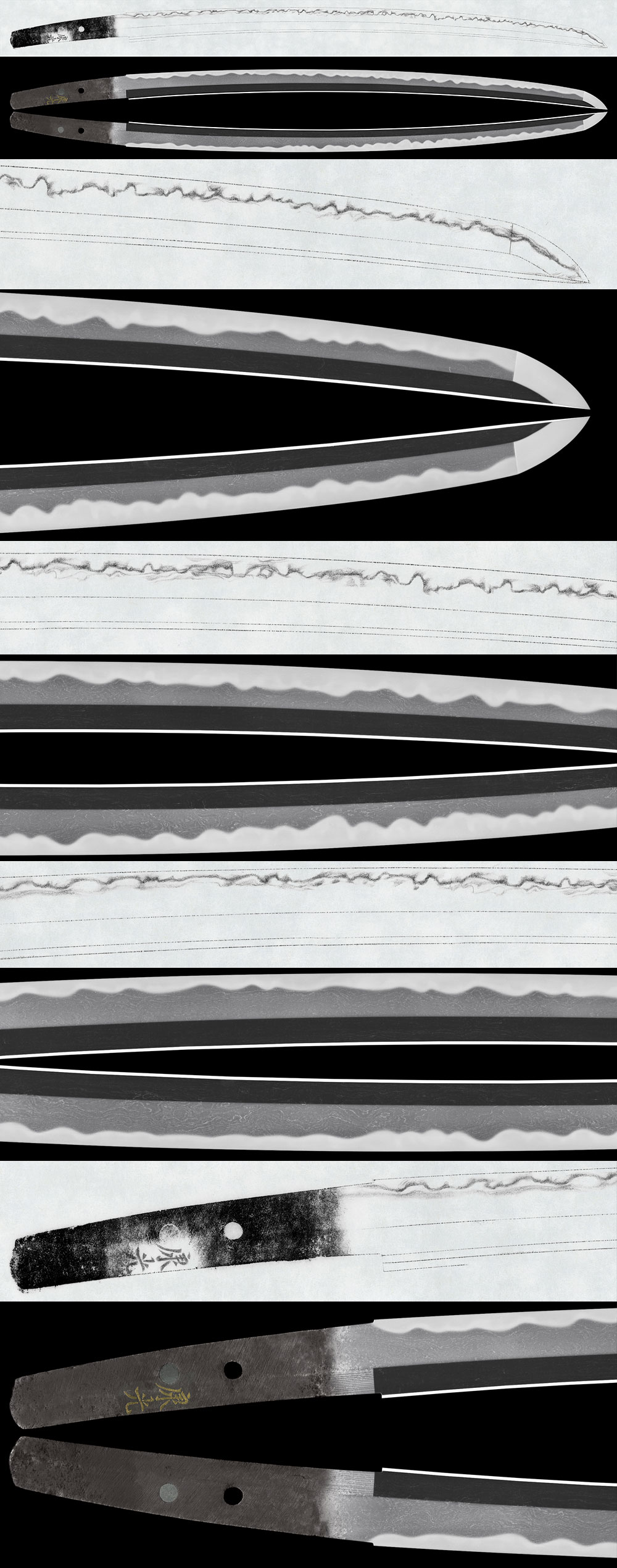
Shape: A well-balanced shape with slightly extended proportions, featuring standard width and thickness, a deeply curved kissaki.
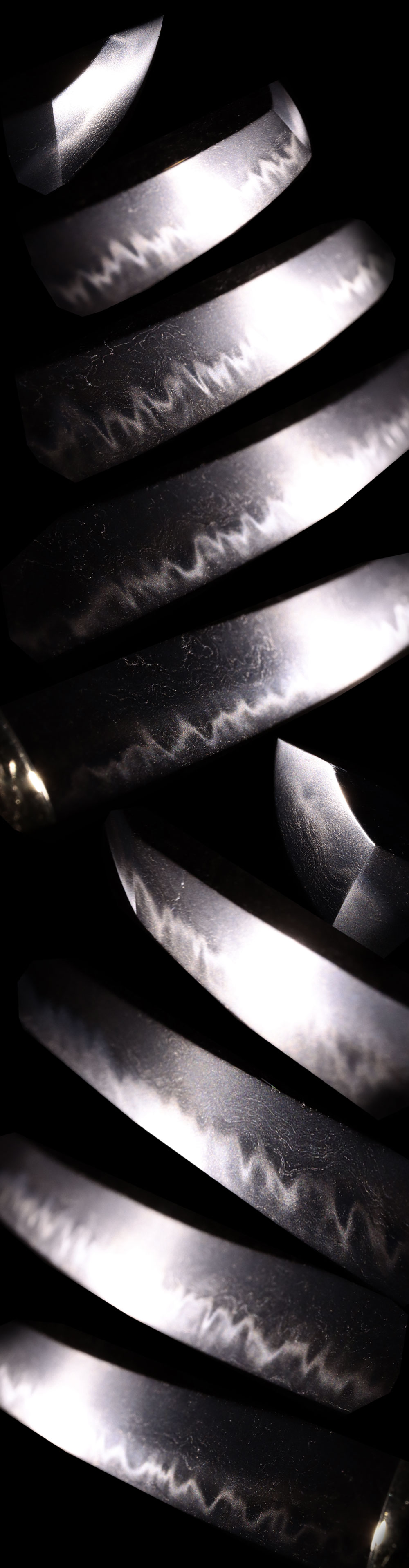
Jigane: Beautiful itame and mokume hada with visible grain characteristic of Oei Bizen, with some chikei and a straight utsuri.
Hamon:Nioi-based, roundish gunome-midare. The boshi is midare and turns back in a small round shape (komaru).
Features: Yasumitsu and Morimitsu are considered the two leading swordsmiths of the Oei era.
While Morimitsu is known for flamboyant midareba, Yasumitsu is more often associated with suguha.
However, as with this piece, there are also examples of midareba works.
This blade is a textbook example from the period, with prominent hada showing itame, mokume, and masame.
The hamon is active and visible even into the shinogiji area.
Koshirae: Hantachi Koshirae
Tsuba: Mokko-shaped iron tsuba inlaid with gold depicting dragons and clouds.
Fuchikashira: Shakudo nanako-ji.
Saya: Ray skin with unique lacquer finish.
Menuki: Design of dragonflies and plants, deeply carved and colored with gold.
Kozuka: Shakudo nanako-ji, high relief carving of dragon and tiger, colored with gold.
Aoi Art’s Comment: During the Oei era, the first generation Uemon-no-jo produced many swords.
As the Muromachi period began, combat shifted from cavalry to infantry, resulting in a preference for shorter swords that were easier to wield one-handed.
Wakizashi around 50 cm with short tangs became favored.
Yasumitsu and Morimitsu both show little variation in their jigane, which is a distinguishing feature: very refined and beautiful steel.
This work displays a splendid hamon and a well-forged jigane, characteristic of Oei Bizen.
The koshirae is also an intricately crafted, high-quality mounting.
Historical Background: This period marks the transition from the Nanbokucho period to the Muromachi era, when warfare shifted from cavalry to ground combat.
The long-lasting conflicts of the Muromachi period were just beginning.
NBTHK Tokubetsu Hozon Token
Aoi Art Estimation Paper: Whole Oshigata
Auction Starting Price:1,200,000JPY
Place Bid



Related Items:
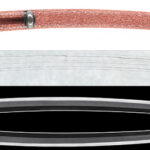 Wakizashi: Bishu Osafune (partially cut) (Sue-Bizen)NBTHK Hozon Token)
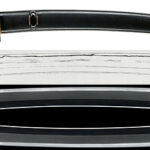 Wakizashi: Mumei (Mihara school)(NBTHK Hozon Token)
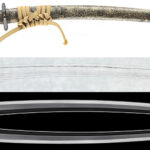 Wakizashi: Bizen Koku Ju Osafune Sakyoshin Munemitsu Dated: August, 1501 (Bunki 1) (NBTHK Hozon Token)
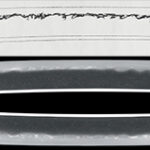 Wakizashi:Bizen Koku Osafune Yosazaemon Sukesada(NBTHK Tokubetsu Hozon Token)
 Wakizashi:Bitchu Kami Tachibana Yasuhiro(NBTHK Tokubetsu Hozon Token)
 Wakizashi: Shoji Jirotaro Naokatsu Saku Kore(NBTHK Tokubetsu Hozon Token)