Dear Friends,
I hope this letter finds you well.
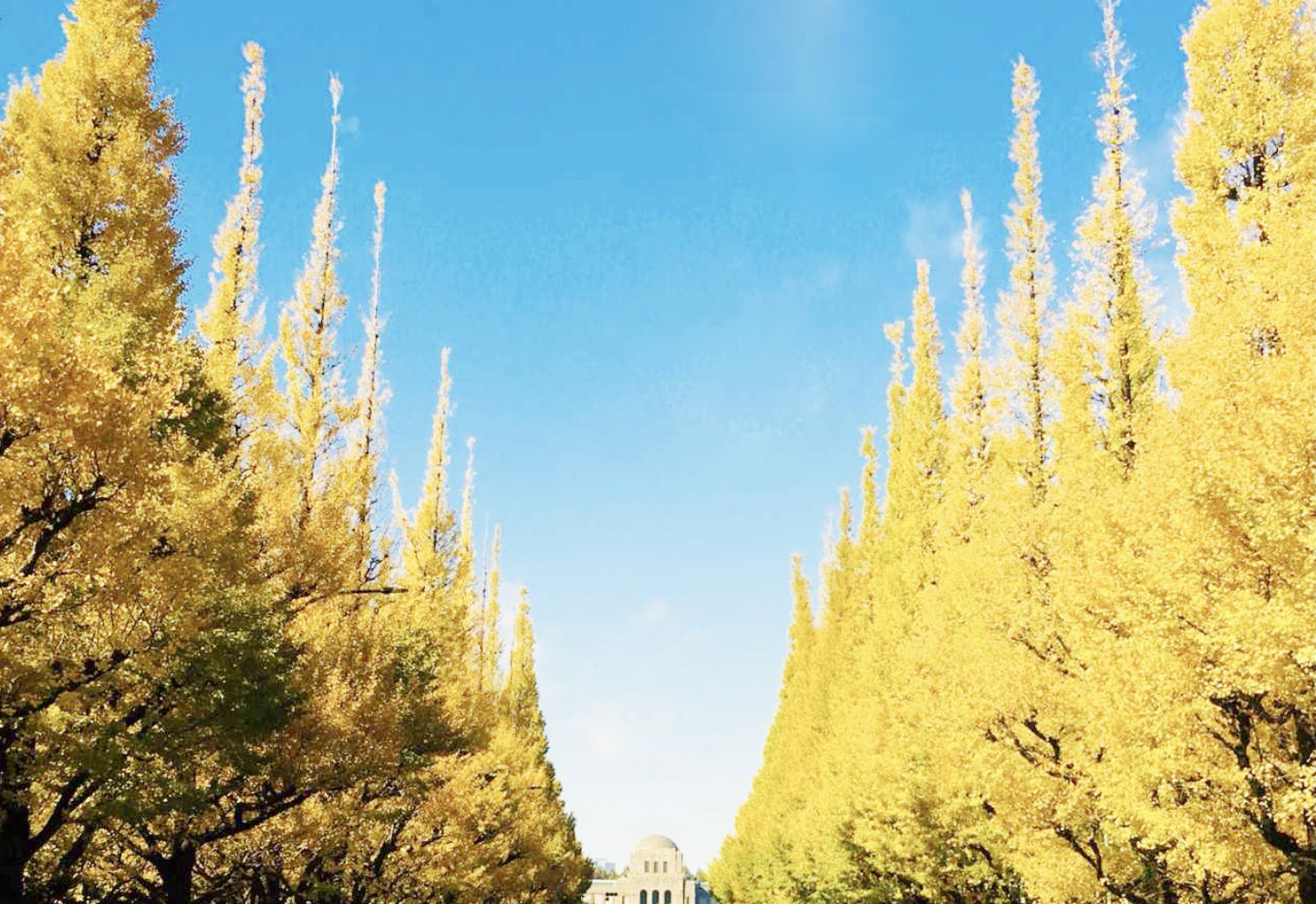
The intense heat of summer has finally passed, and with the deepening of autumn, the air has grown cool and refreshing.
After the war, Japan was a country overwhelmingly populated by Japanese citizens. However, in recent years, the number of foreign residents has increased rapidly. In areas such as Shinjuku, it is now common to see many people from overseas. This trend reflects Japan’s declining birthrate, aging population, and shortage of workers.
If an economic downturn were to occur in the future, social tensions and new challenges would surely arise.
Foreign residents, of course, have the right to work, but I believe we have reached a time when we must seriously consider how to live together in harmony.
I am now eighty-five years old. I am still working actively, but I sincerely hope that the younger generation will take up the responsibility of supporting our nation with energy and determination.
I hear that even the Self-Defense Forces are struggling with a shortage of personnel. Perhaps the time has come to earnestly discuss whether Japan should reintroduce a form of conscription in the future.
We must each think deeply about how the Japanese people will live and what kind of country we wish to build from here on.
In politics, both the House of Representatives and the House of Councillors should reduce the number of lawmakers and work toward more efficient administration, eliminating waste to achieve sound national governance.
In daily life, prices continue to rise, and home ownership has become possible for only a small portion of the population. Many people now spend over an hour commuting to Tokyo in packed trains.
I believe Japan must create new, livable cities that do not rely solely on the Tokyo metropolitan area. If we could build smaller urban communities—perhaps a quarter the size of the Yamanote Line’s area—where housing, workplaces, and amenities are well integrated and affordable, people’s lives would become far more comfortable.
Encouraging businesses to relocate to regional areas with lighter taxes, while requiring fair contributions from those remaining in central Tokyo, would naturally improve living and working conditions for many.
Today, even recently built condominiums are being resold at exorbitant prices—200 to 300 million yen in some cases.
This absurd inflation stems from wealthy investors purchasing properties for rental income. As a result, ordinary salaried workers can no longer afford homes.
If the government truly commits to addressing this problem, I believe there must be a way to resolve it.
Yesterday, I attended a Japanese sword exhibition and sale at the DTI. Many foreign visitors participated, and I was deeply impressed by their knowledge, respect, and appreciation for Japanese swords.
However, fine swords are becoming increasingly rare within Japan, and I felt keenly how difficult it has become to find good examples domestically.
Not long ago, a client asked me to resell a sword I had sold him thirty-five years ago, saying he was now too old to keep it. I was astonished by how little time seemed to have passed—and touched to see that the blade remained in splendid condition.
We sold it through our website at a price even higher than before, which made me genuinely happy. It was proof that the sword had been cherished and cared for with devotion.
At the same time, there are serious issues facing our field: the decline in skilled polishers and craftsmen, rising costs, and increasingly long waiting times.
To preserve and pass down the art of the Japanese sword to future generations, we must develop systems to solve these problems swiftly.
Perhaps in the near future, Japanese and foreign enthusiasts will collaborate to issue appraisal certificates together. If done sincerely, this could blossom into a new and meaningful form of cultural exchange.
Lastly—
It is now the season for sanma, the delicious Pacific saury, rich with autumn flavor. Grill it slowly over charcoal until the skin is crisp and golden, and enjoy it with grated daikon and soy sauce. I hope you will share such a meal with your family and savor the warmth of togetherness.
After dinner, husbands should help clean up—and perhaps take their wives on a little trip from time to time.
Please treat your children with kindness, teach them to love nature, and nurture their sense of sincerity and simplicity.
I believe that within a modest and honest life lies true richness.
Wishing you all good health and happiness.
With warm regards,
Kazushige Tsuruta